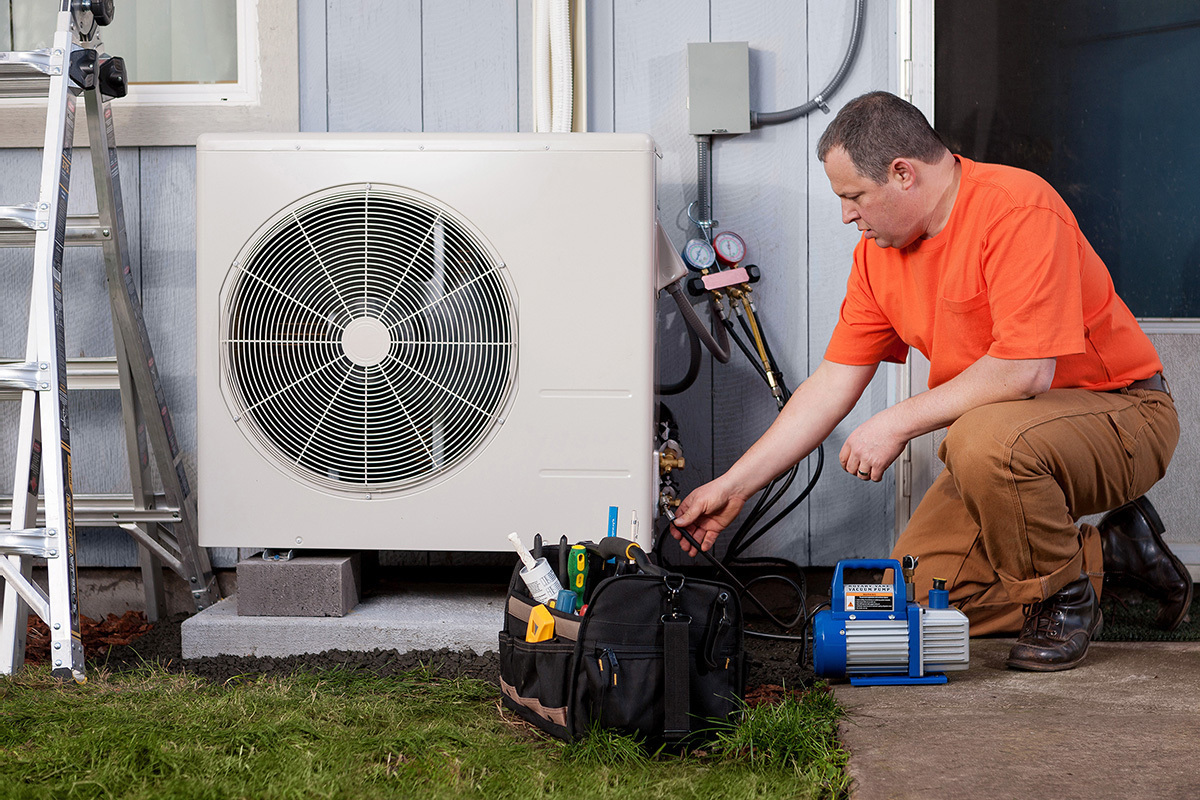
Low Load Efficient Heat Pumps
Low-load efficient heat pumps are more efficient when outdoor temperatures are moderate because they modulate the speed of the compressor and fans for maximum operational efficiency and comfort. This enhanced performance is currently only present in approximately 33% of all variable speed heat pumps. Being able to identify and properly size this type of heat pump provides customers with a better deal and superior comfort.

Overview:
Low-load efficient systems are capable of outperforming more expensive systems through their use of advanced control algorithms. These systems represent the next phase of heat pump innovation by diminishing peak loads and improving load matching. Instead of cycling on and off at maximum speeds, they operate consistently at a lower power, which helps reduce stress on the grid. They help lower energy use, delivering savings to homeowners and utilities, while improving user comfort through steady airflow and consistent temperatures.
Specifications
Low-load efficient heat pumps can be easily identified by having a minimum capacity coefficient of performance of 4.5 when tested at 47° F (MinCapCOP47 ≥ 4.5)* Heat pumps should also be sized properly to run at peak efficiency when outdoor air temperatures linger between 35° F and 55° F degrees.
*See Glossary of Terms from Midwest Heating and Cooling Collaborative for more information on heat pump technology.
Benefits
Increased product performance without increasing production cost: Low-load efficiency can be obtained through diagnostic analysis, where the hardware solution provides contractors with immediate feedback to confirm proper installation. Offering more products that deliver greater energy savings can effectively increase brand recognition in the industry, and maintain a strong reputation for heat pumps with homeowners and utilities. Products that demonstrate in-field enhanced part-load performance can differentiate themselves in the highly competitive market.
High efficiency yields high impact: An effective improvement on the technology, low-load efficient heat pumps run more consistently at a lower power, rather than cycling on and off at higher speeds. This helps ensures the heat pump is effective for a variety of climates and homes. This functionality results in greater energy savings over time and reduced strain on the grid. For homeowners, stable temperatures and reduced energy costs can lead to increased satisfaction and sentiments around heat pump technology.
Low-load efficiency can also improve customer satisfaction and energy savings more effectively than increasing HSPF2 and SEER2 requirements. Because the nature of low-load efficiency is driven by software algorithms rather than increased hardware costs, it is an easy way to increase program savings realization rates and cost effectiveness.
Access more tools and research with these links:
Fact Sheets
- Low-Load Efficient Advanced Heat Pumps
- Advanced Heat Pumps: Helping Northwest Heat Pumps Achieve Their Full Potential
Northeast Energy Efficiency Partnerships (NEEP)
- NEEP Cold Climate Air Source Heat Pump List
- NEEP Air Source Heat Pump Installer and Consumer Resources
- NEEP Cold Climate Heat Pump Sizing Support Tools User Guide
- NEEP Cold Climate Air Source Heat Pump Sizing Tool - Key Features
The Northwest Energy Efficiency Alliance
Additional Resources:
Related Improvements

Minimize Supplemental Heating with Cold Climate Capable Heat Pumps
